
The Redundant Parallel Power System Most People Don’t Know Exists
What happens when you're neither fully off-grid nor completely grid-dependent? A redundant parallel power system runs two electrical circuits side by side—one connected to municipal power, one powered independently by solar and batteries. Each backs up the other. After 4 years running this configuration in rural Slovenia, a 48-hour Christmas blackout proved its value: fridges running, internet connected, work uninterrupted while the valley sat dark. This isn't about energy savings. It's about decoupling essential systems from infrastructure vulnerabilities without the full commitment of going off-grid.
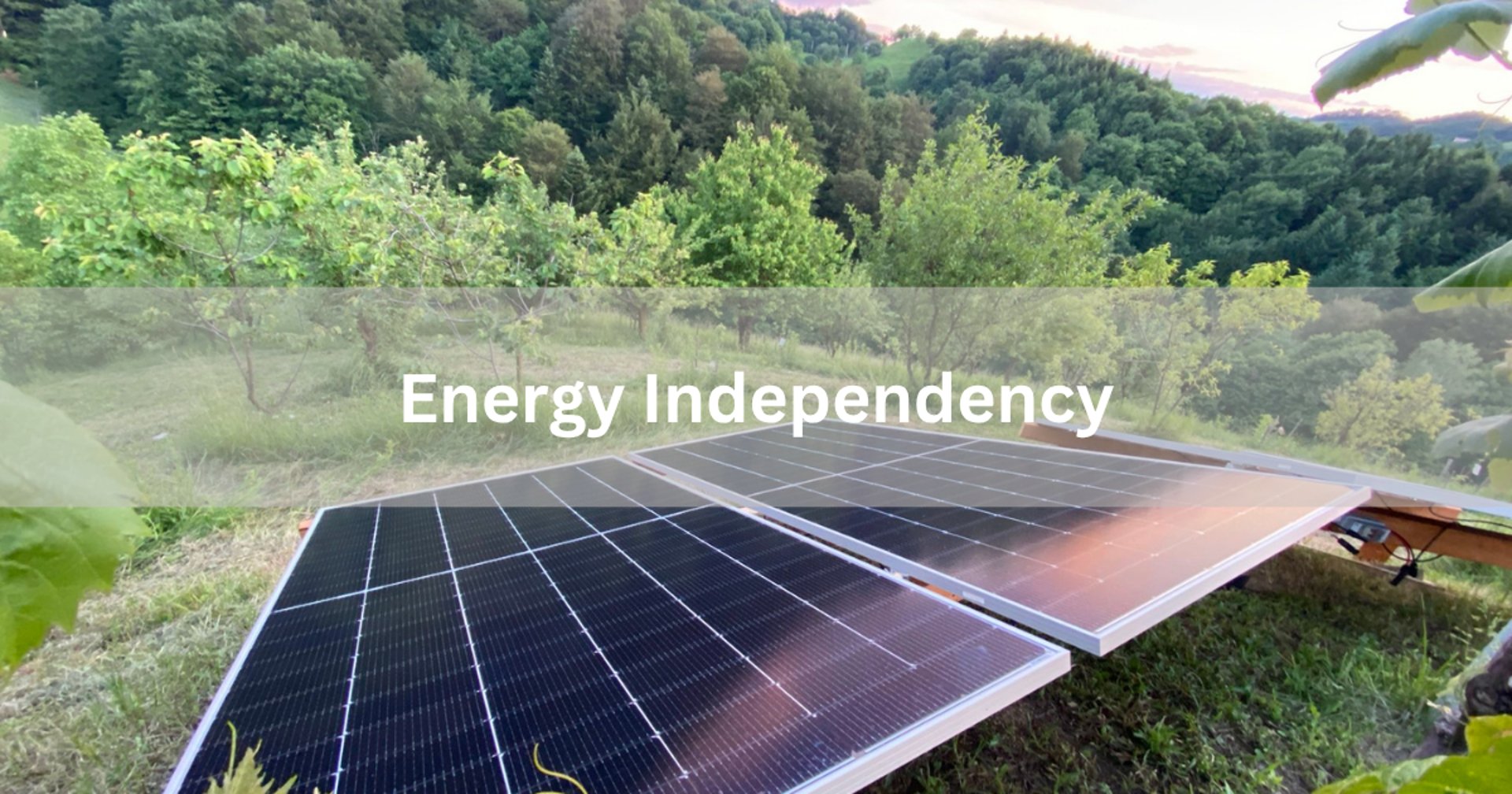
There’s a home energy configuration that sits between two familiar options. Not fully off-grid—that requires serious commitment and investment. Not standard grid-dependent—that leaves you vulnerable when infrastructure fails. It’s called a redundant parallel power system. Two electrical circuits running side by side in the same house. One connected to the municipal grid. The other is powered by solar panels and batteries, completely independent. Each backs up the other. I’ve been running one for 4 years in rural Slovenia. And this Christmas, when heavy, wet snow brought down some trees and with it some power lines, and the whole valley was dark for 48 hours, it proved exactly why I built it.
What’s Actually Connected Where
The concept is simpler than it sounds. Some things stay on the main grid permanently—all the lighting, the main cooking stove, the hot-water boiler in the bathroom that feeds the taps and shower. These either pull too much power for my converter or simply weren’t worth rewiring. Everything else runs on the parallel solar circuit: two fridges, a freezer, a washing machine, a food dehydrator, an internet router, a computer, and a monitor. These stay permanently connected to the independent system.
Then there’s a flexible middle category. Water distiller, kettle, various devices I use occasionally—these I can plug into whichever circuit makes sense at the time. Every room has outlets from both systems mounted side by side. The intelligent converter handles the logic automatically. In summer, the panels produce more power than we consume—batteries stay full, the grid connection sits idle. Winter is different: shorter days and cloud cover mean the converter draws from the main grid to keep batteries topped up. I adjust the threshold seasonally to optimise this balance.
Critical detail: this system doesn’t feed power back to the main grid. No net metering. No export credits. Solar charges batteries, batteries power outlets, and excess generation simply stops when batteries hit full. That’s it.
Layered Independence
The electrical system is only part of the picture. What makes this setup genuinely resilient is how different systems reinforce each other. We heat with wood. Two hectares of forest on the property, one high-efficiency stove handling most days in autumn and winter, a second upstairs when outside temperatures drop below 5°C. Fuel comes from fallen trees only—no active logging, just utilising what’s already down.
This matters for power independence in a way most people miss: we don’t have radiators. No radiators means no circulation pump. No circulation pump means heating works regardless of the electrical supply. When the grid fails, we stay warm without drawing a single watt.
For visitors and homestead-related prep work or cooking, we also have a second kitchen with a combined electricity-gas stove. This stove can be switched to solar power manually if needed, giving us cooking capability independent of both gas supply and grid electricity.
Then there’s water. We distil our own rather than buying bottled. Around five litres daily, roughly 150 litres monthly. Each four-litre batch consumes about 3kWh power we generate ourselves. In summer, this runs entirely on solar. Clean drinking water, no plastic bottles, no ongoing cost. Each system backs up the others. Grid fails? Solar keeps essential circuits running, wood keeps us warm, and gas provides backup for cooking. Cloudy week depletes batteries? Grid tops them up. The layers create genuine redundancy.
What the Numbers Actually Look Like
Summer savings run 60-70% on the circuits connected to solar—the panels produce surplus power during those months. Winter drops to 10-20%, depending on sunny days. The seasonal variation is real and unavoidable in this environment. But the savings aren’t really the point. The point is what happened over Christmas. Heavy wet snow—the kind that clings to power lines and brings them down. The grid failed. Stayed failed. 48 hours before crews restored service.
Our parallel system? No problems. We happened to get sunny days during the outage, which kept the batteries topped up. Both fridges ran continuously. Freezer never skipped a beat. The Internet stayed connected. The water distiller kept producing. I work remotely. During those 48 hours when neighbours were figuring out generator fuel and worrying about frozen pipes, I didn’t lose one minute of work. Normal outages here last about 3 hours, 2 or 3 times per year. Those barely register—the batteries handle them without drawing from the grid at all. But a 2-day outage in winter over a holiday? That’s when the system’s real value becomes obvious.
The Middle Path
Energy independence isn’t binary. That’s what 4 years confirmed. You don’t choose between “fully grid-dependent” and “completely off-grid.” There’s this middle configuration: keep the grid for heavy loads and as an automatic backup, build parallel systems for essential needs. Each compensates for the other’s limitations. Panel placement proved crucial in ways I didn’t expect. Hillside slope, not the roof. Snow clearing takes ten minutes with a broom versus risking an icy roof climb or losing days of winter generation. The psychological shift surprised me most. When essential systems aren’t dependent on infrastructure you can’t control, something changes. Rate increases feel less relevant. Grid strain during demand spikes isn’t your concern. Your home has decoupled from that specific vulnerability. 2 days without grid power. Zero disruption to daily life. Warm house, running fridges, clean water, uninterrupted work.
That’s what a redundant parallel power system actually delivers.
---
Get in touch
Country
Slovenia
Contacts
Gesundheitsinnovationen@gmail.com